
Grab your iced coffee, or maybe a chamomile tea if you are trying to wind down, and let’s get into it. I am currently sitting here looking at my calendar for the next few months, and my heart is doing that little nervous flutter. Wedding and gala season is officially upon us. And while I absolutely love getting dressed up and eating free cake, there is one thing that always sends me into a complete styling panic. It is when you open a beautiful, heavy paper envelope, read the swirly font, and see those three terrifying words at the bottom: “Black-Tie Optional.”
What does that even mean? I swear, sometimes it feels like people just make these dress codes up just to stress us out! Do you wear a full-on ballgown? Do you wear a nice sundress? If you guess wrong, you end up being the only person in a sequin dress while everyone else is in simple cocktail attire, or worse, you show up in a casual midi dress and everyone else looks like they are walking the red carpet.
I was talking to my girls about this last weekend, and we realized that there is so many unwritten rules about formal wear that nobody ever actually teaches you. We just kind of have to guess. So, I did what I always do. I went down a massive research rabbit hole, looked at what the stylists are actually saying for 2026, and broke it all down. Today, we are going to completely demystify the “Black-Tie Optional” dress code for women. I am going to give you a full, actionable guide so you know exactly what to wear, what to avoid, and how to look like the most confident, stunning person in the room. Let’s build your formal wardrobe together!
—
The Real Definition of Black-Tie Optional
Okay, first things first. We have to understand what the host is actually trying to say with this dress code. When a couple or an event organizer puts “Black-Tie Optional” on an invite, what they are really saying is: “We are hosting a very formal, fancy event. We would absolutely love it if you wore a tuxedo or a floor-length evening gown. However, we understand that renting a tux or buying a ballgown is expensive and annoying, so we will not turn you away if you wear a very dark, formal suit or a highly elevated cocktail dress.”
It is basically the host giving the men an out. But for us women, it creates this weird gray area. You are caught right in the middle of formal and semi-formal.
My cousin had a wedding last fall with this exact dress code. Our group chat was an absolute disaster for weeks. One of my friends sent a picture of a cotton floral sundress she wanted to wear, and I literally had to call her on the phone and tell her absolutely not. Another friend wanted to wear a bright neon pink tulle dress that looked like a costume. I realized right then that people genuinely do not know where the line is! The trick is to aim for the absolute fanciest version of yourself, without feeling like you are wearing a costume. You want to look rich, elegant, and comfortable.
—
Option 1: The Floor-Length Gown (The Safest Bet)
If you want to completely eliminate the stress of guessing, just wear a floor-length dress. It is always the safest, most appropriate choice for this dress code. But in 2026, we are not doing the stiff, heavily beaded prom dresses from ten years ago. We are going for sleek, modern, and effortless.
You want to look for fabrics that drape beautifully. Think heavy silk, smooth crepe, or even a really rich velvet if the event is in the winter. The silhouette is everything here. A simple bias-cut silk slip dress that goes all the way to the floor is breathtaking. It is minimal, but the fabric makes it incredibly formal.
When you are picking a color, darker is usually better for evening events. You can never go wrong with a deep navy blue, an emerald green, a rich burgundy, or the classic black. If you really want to wear a lighter color, make sure the fabric is very high quality, otherwise it can accidentally look like a daytime beach dress. And please, make sure you get the dress hemmed! Tripping over your own dress all night is the least chic thing in the world. I once stepped on my own hem at a formal dinner, ripped the seam, and had to safety-pin my dress together in the bathroom. Not my best moment, babe! Get it tailored so it just barely brushes the top of your shoes.
—
Option 2: The Fancy Midi or Cocktail Dress (The Modern Choice)
Listen, I totally get it. Sometimes you just do not want to wear a long dress. Maybe you know you are going to be dancing all night, or maybe you just hate the feeling of fabric around your ankles. You can absolutely wear a shorter dress to a Black-Tie Optional event, but there is a major catch. The dress has to work twice as hard to look formal.
If you are going shorter, the hemline should really hit below the knee or at the mid-calf. A super short mini dress is almost always a no-go for this dress code, unless it is heavily embellished and styled impeccably. To make a midi dress work, the fabric has to be undeniably luxurious.
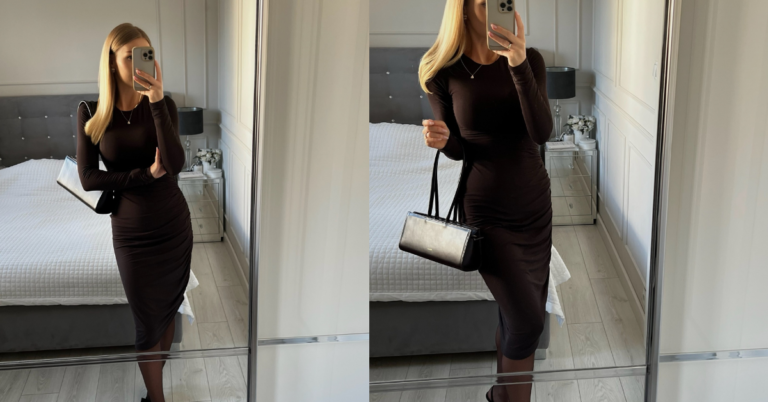
You cannot wear cotton. You cannot wear linen. You cannot wear that stretchy jersey material that your favorite summer dresses are made of. You need structure and shine. Look for a midi dress made of heavy satin, brocade, or something with intricate lace detailing. Dark colors also help elevate a shorter dress. A black silk midi dress with a structured bodice and a beautiful neckline is completely appropriate. It says you respect the formality of the event, but you also have a very cool, modern personal style.
—
Option 3: The Formal Jumpsuit or Tailored Suit
This might be my absolute favorite category. If dresses just aren’t your thing, or if you just want to stand out from the sea of gowns, a formal jumpsuit or a sharply tailored suit is the ultimate power move. It is so incredibly chic when done right.
Let me tell you about my Auntie. She is honestly my biggest style icon. A few years ago, we went to this big charity gala back home. Everyone was wearing these massive, poofy dresses. My Auntie walked in wearing a perfectly tailored, completely black crepe pantsuit. She wore a crisp silk blouse underneath, but left the top few buttons open so she could layer her heavy, handmade silver and turquoise squash blossom necklaces. She paired it with a sleek pointed-toe heel. Let me tell you, she looked wealthier and more elegant than anyone else in that room. It was a total fashion moment.
If you are going to do a suit or a jumpsuit, tailoring is non-negotiable. It has to fit your body perfectly. A baggy suit looks messy, and a jumpsuit that is too tight looks casual. Look for pieces with tuxedo details, like a satin lapel or a sleek wide-leg trouser. Keep your accessories very glamorous to balance out the masculine energy of the suit. A bold red lip, a sleek low bun, and some sparkling earrings will make you look like a literal movie star.
—
Let’s Talk About Shoes (Comfort vs. Glamour)
Okay, we need to have a serious chat about footwear. Your everyday chunky boots or those casual cork wedges are staying home tonight! For a Black-Tie Optional event, your shoes need to match the energy of your outfit.
The standard choice is a strappy, delicate heel. Metallic colors like gold, silver, or bronze are basically neutrals in evening wear and will go with almost any dress color. A classic black pointed-toe pump is also a fantastic, safe option that always looks professional and polished.
But here is the truth, babe: you do not have to wear heels if you don’t want to. I am so serious about this. I used to force myself into six-inch heels for weddings, and by hour two, I would be limping in pain and totally miserable. It ruined the whole night! The fashion world has evolved so much by 2026. You can absolutely wear a flat shoe, but it has to be an evening flat. Look for a pointed-toe flat made of satin, or a slingback that has some crystal embellishments or a beautiful velvet bow. If your dress is floor-length, nobody is really going to see your shoes anyway, so prioritize your comfort so you can actually enjoy the party!
—
The Details: Bags, Jewelry, and Beauty
Your accessories can literally make or break a formal outfit. This is where you pull the whole look together. First, ditch the big shoulder bag. You cannot bring the tote bag you use for your laptop to a formal event! You need a clutch or a very small, structured evening bag. It should only be big enough to hold your phone, your ID, a lipstick, and maybe some mints.
For jewelry, this is your time to shine, but you want to be intentional. If your dress has a lot of sequins or a very complicated neckline, keep your jewelry simple with some elegant stud earrings or a delicate bracelet. If your dress is a very simple, solid color, you can go bold with a statement necklace or massive, sparkling drop earrings. You want balance.
As for hair and makeup, formal doesn’t mean you have to have stiff, crunchy hair sprayed into an updo. The trend right now is very polished but natural. A sleek blowout, soft Hollywood waves, or a very clean, slicked-back bun are all perfect. Your makeup should feel like an elevated version of your daily routine. Add a little extra blush, maybe a smudged eyeliner, or a bold lip color. You just want to look glowing and intentional.
—
What You Should Absolutely Avoid
Just to make sure we are totally clear, here is a quick list of things you should definitely skip when the invite says Black-Tie Optional:
- Anything too revealing: This isn’t a nightclub. Keep the cutouts and super high slits to a minimum. You want to look elegant.
- Casual fabrics: No denim, no jersey cotton, no corduroy, no flannel. Keep it luxurious.
- Loud, daytime prints: Giant tropical flowers or bright neon geometric patterns are usually too casual for evening wear. Stick to solids or very subtle, dark patterns.
- White: If it is a wedding, this rule still applies! Do not wear white, cream, or a super pale silver that might photograph white. Just don’t be that girl!
Just a little note - some of the links on here may be affiliate links, which means I might earn a small commission if you decide to shop through them (at no extra cost to you!). I only post content which I'm truly enthusiastic about and would suggest to others.
And as you know, I seriously love seeing your takes on the looks and ideas on here - that means the world to me! If you recreate something, please share it here in the comments or feel free to send me a pic. I'm always excited to meet y'all! ✨🤍
Xoxo Sophie