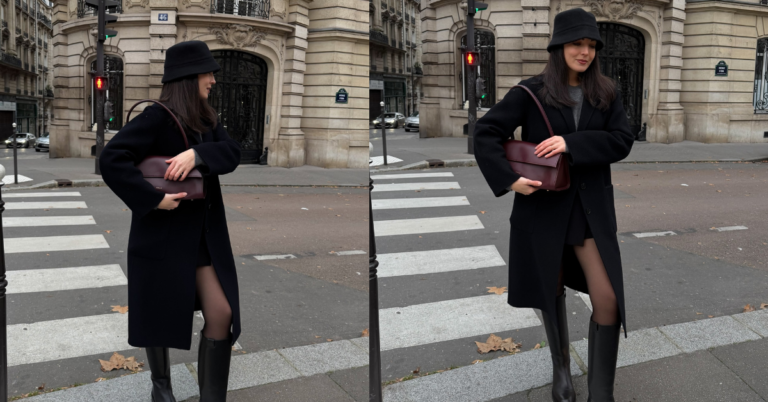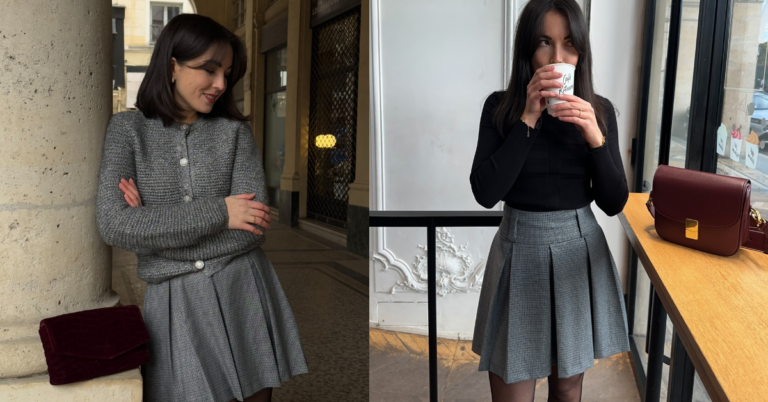

I am sitting on my couch looking at my planner, and my calendar is literally just a giant block of social events for the next three months. We have weddings, baby showers, work mixers, and random birthday dinners. It is a lot. And while I love seeing everyone, my bank account is currently screaming for help.
We need to talk about the absolute scam that is “event shopping”. Society has basically brainwashed us into thinking that every time we get an invitation in the mail, we have to go buy a brand new dress. It is exhausting! You buy a dress, you wear it once, you take a bunch of photos in it, and then it sits in the back of your closet collecting dust for five years. That is not the vibe for 2026. We are trying to be smart with our money and our closet space.
So, I spent all weekend completely tearing my wardrobe apart. I wanted to see if I could create one single, core outfit that could literally go anywhere. And guess what? I figured it out. I have cracked the code. You do not need five different dresses for five different events. You just need one perfect base layer and a few clever styling tricks to completely change the energy of the outfit.
—
The Holy Grail Base: The Midi Slip Dress
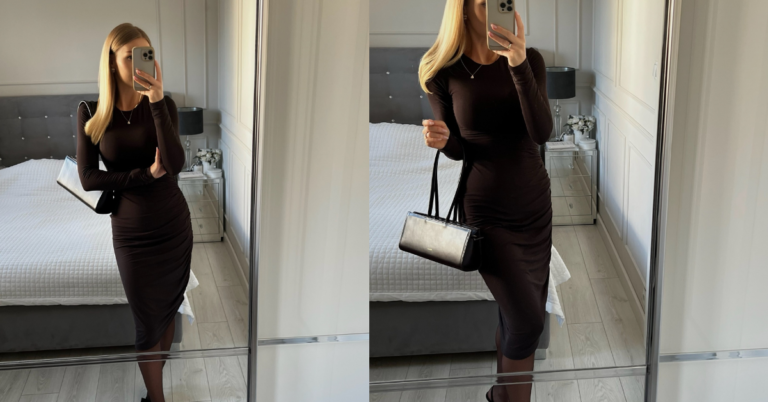
Okay, the entire foundation of this magic trick relies on one specific item. You need a high-quality midi slip dress. This is your blank canvas. If you get this wrong, the rest of the looks will not work.
You want to look for a dress cut on the bias, which means the fabric is cut at a 45-degree angle. This makes the material drape over your curves instead of clinging to them. It is so flattering. As for the color, you have to go dark and solid. A deep, rich chocolate brown, a dark navy blue, or a classic black are the best options. I personally lean towards a really dark espresso brown because it feels slightly softer than black but just as elegant.
I learned this lesson about versatility from my Auntie back home on the rez. When I was a teenager, I used to buy these crazy, bright neon dresses for school dances. I would wear them once and then be so embarrassed to ever be seen in them again. But my Auntie? She had this one beautiful, heavy black velvet skirt. She wore it to formal dinners, she wore it to community gatherings, and she wore it to church. She just changed her turquoise belts, her shawls, and her jewelry. She always looked like the most elegant, put-together person in the room. She taught me that true style is not about having the most clothes. It is about knowing how to wear what you have.
—
Look 1: The Fancy Wedding Guest
Let’s start with the most stressful event: a formal wedding. You want to look glamorous, but you don’t want to upstage the bride. This is where your slip dress really gets to shine in its natural state.
To make the slip dress look like a formal gown, we are leaning heavily into the accessories. Since the dress is a solid color, you can go big with your jewelry. Layer a couple of delicate gold chains, or wear one massive statement piece. I love pairing my simple dark slip dress with a huge, authentic silver squash blossom necklace. The contrast between the delicate silk and the heavy silver is so striking. It brings my Native heritage into a formal space in a way that feels incredibly powerful and chic.
For your shoes, grab a pair of strappy metallic heels. Gold or silver works perfectly and elevates the whole look. Keep your hair very sleek – maybe a tight low bun or a super straight blowout. Add a bold red lip and carry a tiny structured clutch. When you put all these elements together, the slip dress completely transforms. It looks like a million bucks. People will assume you bought it at a high-end designer boutique specifically for this wedding. It is our little secret!
—
Look 2: The Corporate Mixer or Office Party
Now, let’s take that exact same dress and make it appropriate for a work event. You want to look professional and smart, but still stylish.
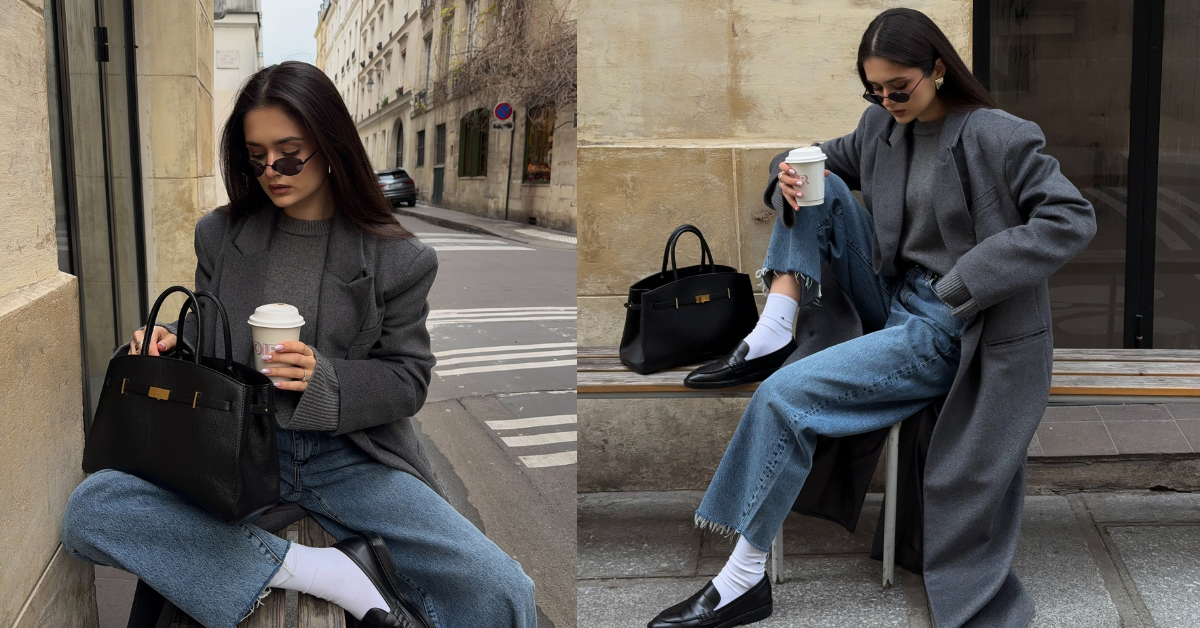
This is where tailoring comes in to save the day. You are going to take an oversized, structured blazer and throw it right over the slip dress. A slightly baggy blazer in a neutral color – like camel, charcoal grey, or an olive green – instantly tones down the sexiness of the slip dress. It gives you that “I mean business” silhouette.
Me and my friend Sarah actually did this last month. She was invited to this huge networking event right after we had grabbed lunch. She was wearing a slip dress and sandals and was panicking because she felt underdressed. I literally took off my grey oversized blazer, handed it to her, and told her to put her hair up in a clip. She swapped her sandals for some closed-toe loafers she had in her car. The transformation was insane. She walked into that mixer looking like a literal CEO.
To finish the workwear look, wear a simple pair of pointed-toe flats or a low, chunky heel. Keep your jewelry very minimal. A classic watch and some small hoop earrings are all you need. You look capable, modern, and perfectly dressed for an evening of shaking hands and exchanging business cards.
—
Look 3: The Casual Birthday Dinner
Okay, the formal stuff is out of the way. What if you are just going to a nice dinner with friends to celebrate a birthday? You want to look cute, but you definitely do not want to look like you are trying too hard.
This is my favorite styling hack of all time. We are going to turn the slip dress into a skirt. Take a slightly cropped, chunky knit sweater and put it on right over the dress. If your sweater is not cropped, take a hair tie, gather the extra fabric at the front, tie it in a little knot, and tuck the knot up under the hem of the sweater. It creates the perfect waistline and makes the dress look exactly like a flowy silk midi skirt.
The texture mix here is everything. The heavy, cozy knit of the sweater mixed with the smooth, shiny silk of the dress is such a cool contrast. It gives you that effortless “cool girl” vibe. Pair this with some leather ankle boots – maybe even a western-style bootie if you want to add a little edge. It is comfortable enough that you can eat a huge pasta dinner, but stylish enough that you will look amazing in all the group photos.
—
Look 4: The Outdoor Garden Party or Baby Shower
Daytime events can be tricky. A dark slip dress can sometimes feel a little too heavy or “nighttime” for a sunny afternoon baby shower or a backyard garden party. But we can easily lighten it up.
Instead of a heavy blazer or a chunky sweater, we are going to reach for a crisp, white linen button-down shirt. Leave it completely unbuttoned and just tie the two front ends together right at your natural waist. This creates a beautiful, breezy layer that covers your shoulders (which is great if it is super sunny out) but still shows the shape of the dress.
I did this exact look for my cousin’s baby shower last spring. It was outdoors, and the weather was so unpredictable. The linen shirt kept me cool when the sun was out, but gave me a little coverage when the breeze picked up. Plus, the bright white of the shirt totally softened the dark color of the dress.
For daytime events, swap out the heavy shoes for a simple leather slide sandal or even a really clean, minimal white sneaker. Grab a woven straw tote bag instead of a leather purse to add some earthy texture. Keep your makeup very fresh and dewy. You will look completely appropriate for a lovely afternoon sipping mocktails and playing silly shower games.
—
Look 5: The “Running Errands but Make It Fashion” Look
Yes, you can even wear this dress to go buy groceries. I am so serious! If you buy a beautiful piece of clothing, you should wear it as much as possible. Why save it just for special occasions?
To completely dress down the silk, you have to add super casual elements. Throw an oversized, vintage graphic t-shirt over the dress. Same trick as the sweater – just knot it at the waist to give yourself some shape. Add a slightly faded denim jacket over the top if it is chilly.
Throw on a baseball cap and your favorite, most comfortable sneakers. This is the ultimate “model off duty” look. It says that you have great style, but you are currently busy living your life and running around town. I love wearing this on Sunday mornings when I am going to the farmer’s market. It takes exactly three minutes to put together, but it looks so much better than just wearing my old sweatpants again.
Just a little note - some of the links on here may be affiliate links, which means I might earn a small commission if you decide to shop through them (at no extra cost to you!). I only post content which I'm truly enthusiastic about and would suggest to others.
And as you know, I seriously love seeing your takes on the looks and ideas on here - that means the world to me! If you recreate something, please share it here in the comments or feel free to send me a pic. I'm always excited to meet y'all! ✨🤍
Xoxo Sophie