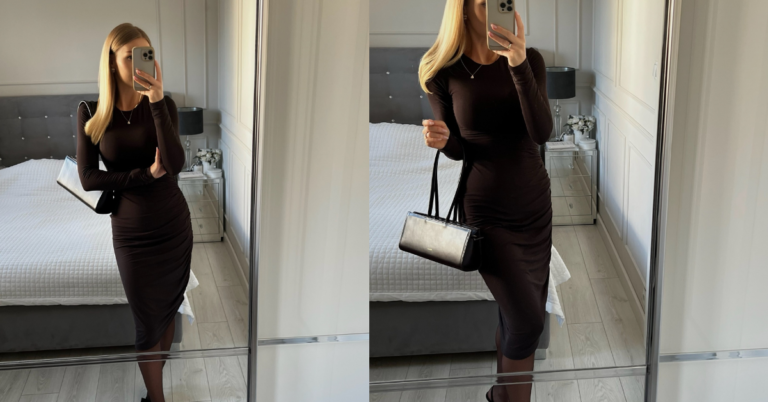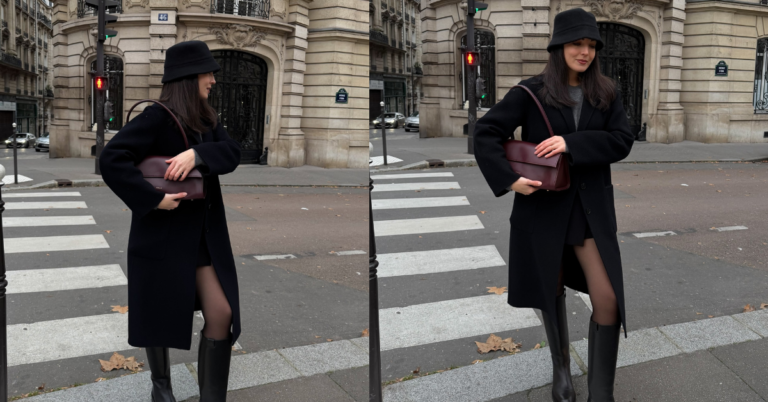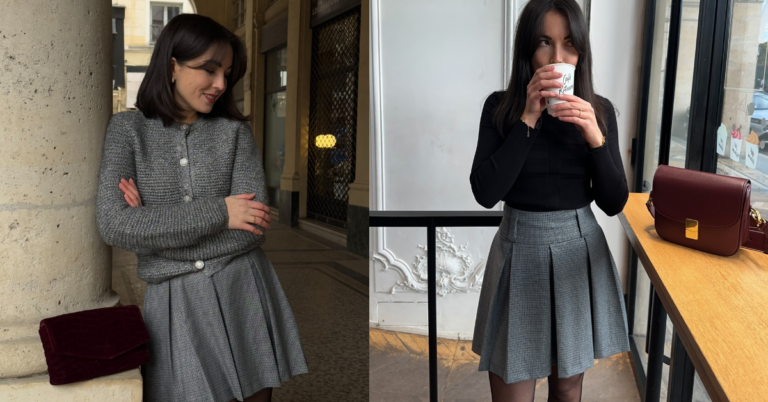

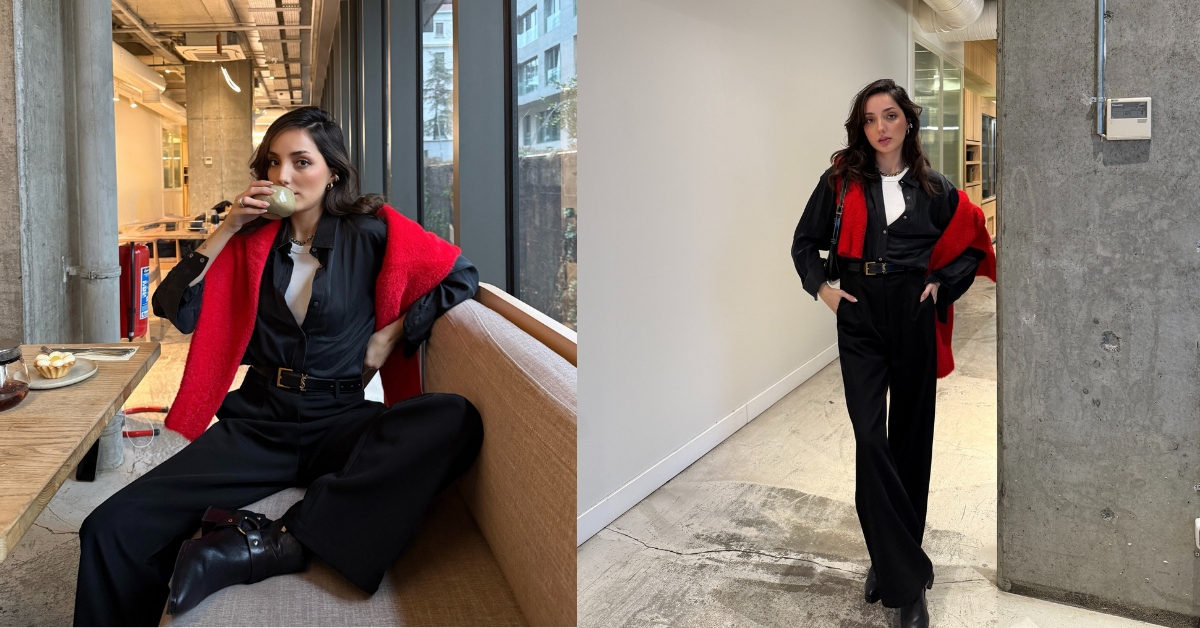
I am so happy you are here right now. Grab your iced matcha – or maybe a hot chai if it is chilly where you are – and get comfortable. I am currently sitting on my living room floor, surrounded by exactly three different piles of clothes, trying to pack for a weekend trip. It is pure chaos, honestly. But looking at all these clothes made me realize we need to have a really important talk today.
We have all experienced that moment of total panic when you get an invitation to something. Maybe it is a wedding, a charity luncheon, or a gallery opening. You look at the dress code, and it just says something incredibly vague like “Cocktail” or “Chic.” But the most important detail isn’t actually the dress code itself. It is the time on the clock. A 2 PM event and an 8 PM event are two completely different worlds, even if the dress code is exactly the same.
I feel like nobody ever really teaches us the actual rules for this. We just kind of guess and hope for the best. And let me tell you, guessing can lead to some really awkward moments. Today, I am going to break down exactly how to master the daytime versus evening styling game. I am giving you my full, honest guide so you never have to feel out of place again. Let’s get into it!
—
The Fabric Rule: Matte vs. Shine
Okay, the very first thing you need to look at when you pull something out of your closet is the fabric. This is honestly the biggest giveaway of whether an outfit belongs in the sunshine or under the moonlight.
Let me tell you a quick story about why this matters so much. A couple of years ago, my cousin was having a baby shower back home on the rez. The invitation said “dressy casual” and it was starting at 1 PM in the middle of July. I wanted to look so stylish, so I wore this gorgeous, heavy, dark green satin slip dress. Babe, it was a disaster. Satin is a nighttime fabric. In the bright afternoon sun, the satin was so shiny it was almost blinding people. Plus, it is not breathable at all. I was sweating so much I had to go sit inside next to the fan while everyone else was outside eating frybread in their cute, breezy cotton dresses. I looked like I was ready for a fancy dinner date, not a baby shower.
For daytime events, you want to stick to matte, breathable fabrics. Think crisp cotton, soft linen, lightweight chiffon, or a really nice ribbed knit. These fabrics look gorgeous in natural sunlight and they actually let your skin breathe. They give off that effortless, floating vibe.
But when the sun goes down, that is when you bring out the drama. Evening events are literally begging for texture and shine. This is when you reach for your heavy silks, your velvet, your sequins, and your dark, structured crepe. Evening lighting – like dim restaurant lights or candlelight – catches the shine of these fabrics and makes you look incredibly luxurious and expensive.
—
The Color Palette Shift
Next up is color. Now, I am a firm believer that you can wear whatever color makes you feel beautiful at any time of day. But if you want to look like you really know what you are doing, there is a definite shift in the palette from day to night.
Daytime events are perfect for lighter, softer colors. This is the time to wear your pastels, your bright pops of color, and your fun floral prints. A soft sage green, a dusty rose, or a beautiful butter yellow are stunning for afternoon events. Even if you want to wear a darker color, try picking something with a bright pattern on it to keep the energy light and airy.
When the event is at night, you want to transition into deeper, richer tones. Jewel tones are your absolute best friend here. Emerald green, ruby red, deep plum, and classic navy blue. And of course, you can never go wrong with black. Wearing an all-black outfit during a 1 PM garden party can look a little harsh, but wearing all-black to an 8 PM cocktail hour makes you look like the chicest person in the room.
If you are someone who loves metallics – like me! – save the heavy silver and gold for the evening. A little bit of shimmer during the day is fine, but a fully metallic dress belongs under the stars.
—
Silhouettes and Hemlines
How a dress or a suit is cut makes a massive difference in how formal it feels. Daytime events generally call for more relaxed, flowy silhouettes. You do not want anything that is too tight, too structured, or too revealing before 5 PM.
A midi-length dress with a nice A-line skirt is basically the universal daytime uniform. It moves beautifully when you walk and it is comfortable enough to sit in for hours. You can also do a wide-leg linen trouser with a tucked-in blouse. It looks professional but still very relaxed and approachable.
Evening events are where you get to play with structure and bold cuts. This is the time for plunging necklines, dramatic thigh-high slits, and tailored, body-skimming fits. A sharp, tailored tuxedo suit is an amazing choice for an evening event. It gives off that total “boss” energy. You want sharp lines and defined shapes for the night.
—
Accessories Make the Outfit
You can honestly take a very basic dress and make it work for either day or night just by changing your accessories. It is all in the details!
Let’s talk about bags first. During the day, you can get away with a slightly larger bag. A beautiful woven leather tote, a structured top-handle bag, or even a cute rattan basket bag are all perfect for daytime. They look practical but stylish. But for the evening? Ditch the big bag immediately. You only need a tiny clutch or a small, embellished crossbody. Your bag should basically only be big enough to hold your phone, a lipstick, and your cards.
For jewelry, I always think about my Auntie’s collection. She has the most incredible, authentic Native American jewelry. During the day, she wears these simple, beautiful silver hoops and maybe one delicate turquoise ring. It is subtle and catches the daylight perfectly without being overwhelming.
But for night? She brings out the heavy statement pieces. A massive silver squash blossom necklace or a thick, hand-tooled silver cuff. Evening is the time to wear your boldest, sparkliest jewelry. Dim lighting needs reflective surfaces to stand out. So pile on the layers, wear those chandelier earrings, and do not be afraid to sparkle.
—
The Footwear Swap
We have to talk about shoes, because I see this mistake all the time. Your shoes dictate the entire vibe of your outfit.
If you are going to a daytime event, especially if it is outdoors or on grass, you need to be realistic. A chunky block heel, a nice espadrille wedge, or a really elegant pointed-toe flat are your best options. They keep you from sinking into the dirt and they look effortlessly chic. A super thin stiletto at 2 PM just looks a bit out of place, and honestly, your feet will be screaming by the end of it.
Evening events are when you bring out the delicate, strappy heels. A sleek stiletto, a metallic sandal, or a very sharp pointed-toe pump. Because you usually aren’t walking through grass or standing in the hot sun at night, you can get away with footwear that is a little less practical and a little more glamorous.
—
The “Day-to-Night” Transition Hack
Now, what do you do when you have an event that starts in the late afternoon and goes all the way into the night? Maybe a wedding that starts at 4 PM and the reception goes until midnight. This is the ultimate styling challenge.
Me and my best friend Sarah had to figure this out last month. We went to this big cultural festival downtown. The afternoon was all about walking around vendor booths in the sun, but the evening turned into this really fancy, sit-down dinner and dancing.
Here is my ultimate hack for this: The Slip Dress and Blazer combo. I wore a simple, dark brown silk midi slip dress. For the daytime portion, I threw a slightly oversized, lightweight linen blazer over it and wore some comfortable leather mules. The blazer made it look casual and daytime-appropriate. I kept my hair in a simple clip and wore minimal makeup.
When the sun started going down, we went back to the car. I tossed the blazer in the backseat, leaving just the sleek slip dress. I swapped my flat mules for a pair of strappy gold heels that I had hidden in my bag. I took my hair down, added a dark red lip, and put on some statement gold earrings. The whole transformation took exactly three minutes in a parking lot, but I looked like I had completely changed my outfit for the evening. It is all about having a versatile base layer and changing the top layer and accessories.
—
Beauty Details: Hair and Makeup
Just a quick note on beauty, because it really ties the whole thing together. Daytime makeup should feel fresh and glowing. Think tinted moisturizer, a little bit of cream blush, and a glossy lip. You want to look like you just woke up looking flawless. Hair can be loose, slightly messy waves or a simple ponytail.
Evening makeup needs a bit more intensity so your features don’t get washed out in the dim lighting. This is when you can do a heavier eyeliner, a bold matte lip, or a more structured contour. Evening hair can be a sleek, slicked-back bun or a very polished, voluminous blowout. It is all about adding that extra layer of drama.
Just a little note - some of the links on here may be affiliate links, which means I might earn a small commission if you decide to shop through them (at no extra cost to you!). I only post content which I'm truly enthusiastic about and would suggest to others.
And as you know, I seriously love seeing your takes on the looks and ideas on here - that means the world to me! If you recreate something, please share it here in the comments or feel free to send me a pic. I'm always excited to meet y'all! ✨🤍
Xoxo Sophie