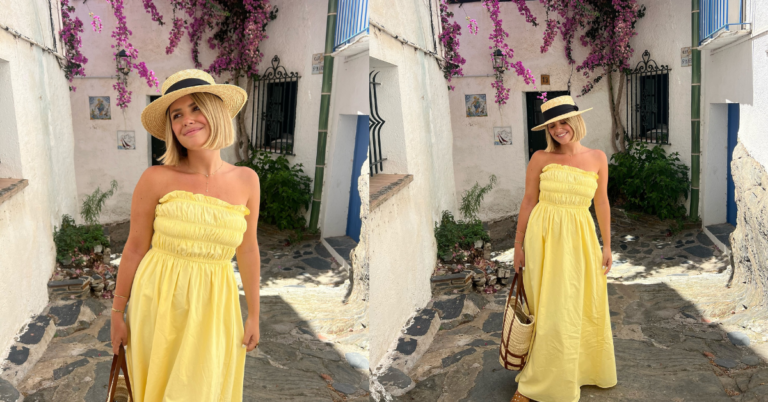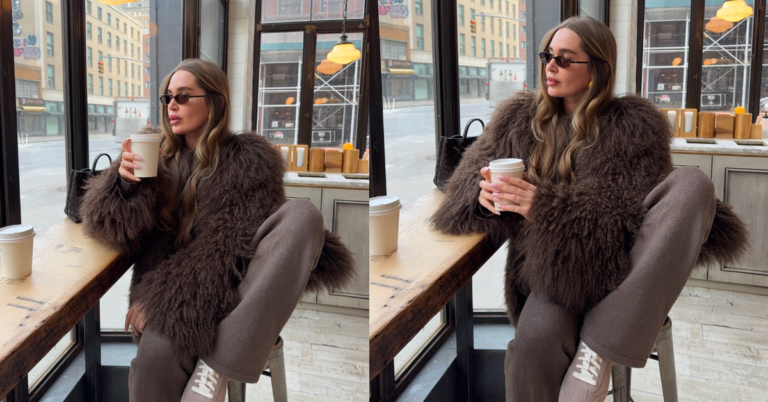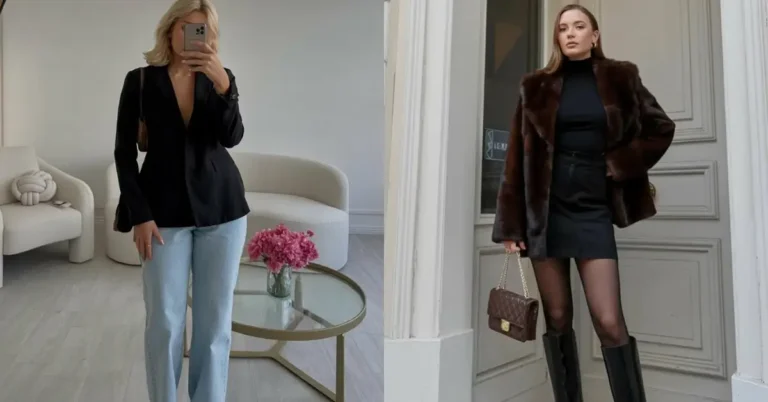

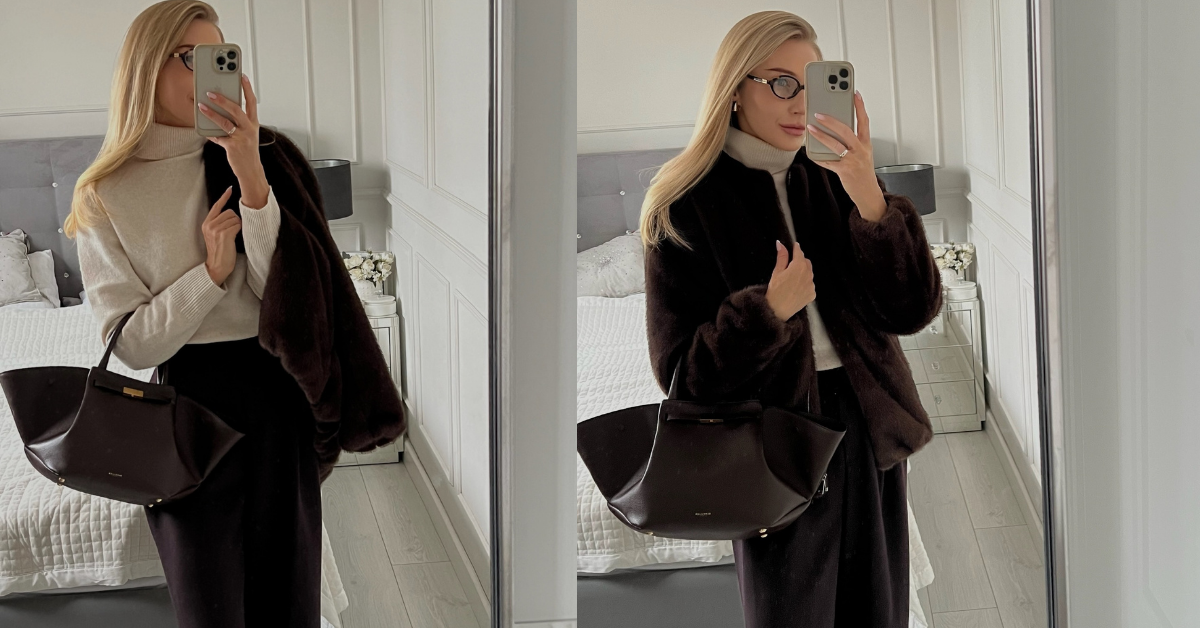
Fall is the season of “I’m cold outside, hot inside, and my coat ruined the outfit.” One minute it’s crisp and cute, the next it’s raining sideways, then you’re sweating under restaurant heaters.
The trick is to stop thinking in full outfits and start thinking in a system: a polished base that works indoors, plus layers you can add or remove without looking like you’re headed on a hike. Outdoor brands teach layering because it works, and the core idea translates perfectly to city plans: manage moisture next to skin, add warmth in the middle, and block wind or rain on the outside.
This guide gives you a practical framework, specific outfit formulas for dinners and birthdays, and a “bring-along” checklist so you’re not stuck choosing between being cold or being overdressed.
Quick answer for skimmers
- Build your look in three parts: indoor outfit (base), warmth layer (mid), weather layer (outer).
- Choose a base that looks complete without your coat. Your outerwear is insurance, not the outfit.
- In unpredictable fall weather, your best friends are light layers you can remove: thin knits, vests, tights, a blazer, a scarf.
- Favor fabrics that behave well across temperatures: wool and merino are naturally temperature-regulating and moisture-managing.
- For “cocktail” type events, aim for dressier than everyday, less formal than true formal.
- Have one “door-to-dinner” shoe plan: a pair you can walk in outside, and a pair you can swap into if the venue is nicer than expected.
- If it might rain: avoid delicate hems, plan for traction, and pick outerwear that can handle wet conditions.
If you only do one thing: pick your indoor outfit first, then add removable layers until you can stand outside for 10 minutes without hating your life.
The decision framework: The 10-10-10 Rule
Before you get dressed, answer three questions:
- 10 minutes outside: How cold, windy, or wet will it feel while you wait for a ride, walk from parking, or stand around greeting people? Wind matters more than you think.
- 10 minutes inside on arrival: Is this a warm bar, a restaurant with heaters, someone’s house where you’ll keep your coat on a chair, or a venue with a coat check?
- 10 hours of reality: Will you sit for dinner, walk between locations, be outside at any point, or dance?
Then choose your system:
Step 1: Pick the base (the indoor outfit)
Your base should look good with your coat off. Pick one lane:
- Dress lane: midi dress, sweater dress, slip dress with a layer, or a structured knit dress
- Separates lane: trousers or dark jeans (if the crowd supports it) + nice top + blazer
- Suit lane: suit or coordinated set
- Skirt lane: midi skirt + fitted knit + boots
Step 2: Add the warmth layer (the removable “mid”)
This is where you win fall.
- blazer
- cardigan with shape
- tailored vest
- fine-gauge knit
- tights or thin base layer under trousers
- scarf that actually warms your neck
Layering works best when it’s loose enough to trap warmth and easy to remove.
Step 3: Add the weather layer (the outer)
Your outer layer’s job is protection: wind, rain, cold.
- trench or rain-resistant coat for wet nights
- wool coat for dry cold
- leather jacket for mild evenings
- umbrella (yes, boring, but useful)
In colder conditions, public safety guidance is blunt: dress in layers, cover exposed skin, and get out of wet clothes quickly.
This won’t work if you know the event is outdoors for long stretches (patio dinner, bonfire, tailgate). In that case you need real warmth, not just “cute layers,” and you should plan like you’re actually going to be outside.
The fabric choices that make fall easier
When weather swings, fabric behavior matters more than trend.
Merino and wool for the base or mid layer
Merino is widely used for base layers because it’s breathable, moisture-wicking, and temperature regulating.
If you run hot and cold all night, this can be the difference between “cozy” and “clammy.”
A very real trade-off with merino: it can be pricier and sometimes less durable than synthetics, depending on the knit and blend. There’s no perfect answer.
Knits that hold shape
A structured knit (think rib knit, ponte-like knits, heavier jersey) looks polished and forgives temperature changes.
Satin and slip fabrics
Slip dresses are great for fall events, but they’re cold on their own. The move is layering: add a blazer, cropped jacket, or fine knit over it, and choose boots or closed-toe shoes.
Rain reality check
Suede and delicate hems suffer in wet weather. If the forecast looks messy, pick materials you can wipe down and shoes with grip.
Outfit formulas that hit the sweet spot for fall events
These are “templates,” not uniforms. The goal is to make getting dressed easier.
1) The dinner reservation formula
Base: midi dress or tailored trousers + elevated top
Warmth layer: blazer or refined cardigan
Weather layer: wool coat or trench
Shoes: ankle boots or sleek loafers
Why it works: you look intentional inside, but you can handle a cold walk outside.
Easy upgrades (if the restaurant is fancy):
- swap to a smaller bag
- add one statement earring
- choose a sharper shoe
2) The birthday night-out formula
Base: one-piece (dress or jumpsuit) or a monochrome set
Warmth layer: leather jacket or blazer
Weather layer: optional, depending on how you’re getting there
Shoes: boots you can stand in
If you’re doing coat-check venues, the base matters most because your coat disappears.
Optional: bring foldable flats if you’re wearing heels. Skip it if you know you’ll never use them and they’ll just annoy you in your bag.
3) The “casual gathering but I want to look cute” formula
Base: knit dress or dark jeans + polished knit
Warmth layer: cardigan, blazer, or vest
Shoes: Chelsea boots, loafers, or clean sneakers (if the host vibe is truly casual)
This is where you aim for “put together,” not “formal.”
4) The outdoor-first gathering formula
Base: knit top + trousers (or a longer dress with tights)
Warmth layer: sweater, fleece-lined tights, or a vest under a coat
Weather layer: wind-resistant coat
Shoes: boots with traction
This is the one time you should prioritize function hard. Guidance for cold weather emphasizes loose layers and wind-resistant outer layers for a reason.
What to wear over your outfit without ruining it
A lot of fall event frustration is outerwear mismatch: the coat is too casual, too bulky, or clashes with your dress code.
For weddings and dressier events, style guidance often suggests outer layers that match the formality: faux-fur style wraps or jackets for cold-weather weddings, blazers for cocktail or semi-formal, and more casual jackets only when the venue theme supports it.
Practical outerwear choices that still look “event appropriate”:
- tailored wool coat (knee length is versatile)
- trench with a clean silhouette
- cropped jacket over a midi dress (balances proportions)
- wrap or shawl (especially good for cold indoor venues)
Shoes: your best lever for unpredictable weather
Shoes are where most outfits succeed or fail in fall.
If it might rain
- choose boots with a sole that grips
- avoid delicate materials you can’t wipe down
- consider a slightly chunkier heel over stilettos for wet sidewalks
Health and safety guidance for cold, wet conditions also flags traction and waterproof footwear as practical choices.
If you’ll be inside most of the night
Pick shoes that look good under indoor lighting and don’t punish you after 90 minutes.
My honest take: if you know you’ll be standing around a lot, prioritize comfort more than “the perfect shoe.” Your mood is part of the outfit.
The fall event “bring-along” checklist
If the weather is unpredictable, packing a few small items makes you look like you planned ahead (because you did).
- compact umbrella
- scarf (warmth, not just decoration)
- tights or thin base layer option (especially if you’re wearing a dress)
- blister patch
- a small bag that fits your coat-check essentials
- hair tie or clip (wind happens)
If you’re traveling to the event or expect colder conditions, public guidance recommends having extra layers available and changing out of wet clothing quickly.
Common mistakes in fall event dressing
Mistake 1: Building the outfit around the coat
Then you’re stuck inside sweating or holding it all night.
Fix: base first, then coat.
Mistake 2: Choosing “cute” but flimsy shoes
Fall sidewalks plus rain plus standing around equals regret.
Fix: pick boots or sturdy loafers, then elevate with accessories.
Mistake 3: No plan for indoor heat
Restaurants and bars can run warm. A heavy sweater that looked great at home becomes annoying fast.
Fix: use a removable warmth layer, not a bulky one.
Mistake 4: Assuming “outdoor” means “casual”
Even wedding guidance reminds people that outdoor attire isn’t automatically casual.
Fix: match the dress code, then adapt with shoes and outerwear.
Variations by event type
Nice dinner, you want to look elevated
- midi dress + blazer + boots
- trousers + silky top + wool coat
- dark monochrome set + statement earring
Birthday dinner at a trendy spot
- slip dress + leather jacket + boots
- fitted knit dress + coat + small bag
- jumpsuit + blazer
House gathering or friendsgiving-type vibe
- sweater dress + tights + boots
- wide-leg trousers + knit + cardigan
- midi skirt + fitted turtleneck
Day-to-night plans
- base: dress or trousers + top
- add: blazer for night
- swap: shoes or bag
This is where the three-layer system really shines. Outdoor layering principles are literally built for changing conditions.
FAQ
How do I dress “fall appropriate” without leaning into pumpkin-spice outfits?
Use fall texture, not fall costumes: knits, leather, wool, darker neutrals, jewel tones. Keep the silhouette modern and simple.
What’s the safest outfit for “cocktail attire” in fall?
A knee-length to midi dress, or dressy separates, with closed-toe shoes if the weather calls for it. Cocktail is generally described as elevated but not formal.
Can I wear boots to a cocktail-level dinner or event?
Yes, if they’re sleek and intentional. Avoid super rugged hiking styles unless the event is clearly casual or outdoors.
How do I stay warm in a dress without looking bundled?
Use tights, a warmer fabric (knit, heavier crepe), and a coat or wrap that matches the formality. For wedding guest outerwear, style guidance often points to blazers, wraps, and dressier jackets depending on the event.
What if I hate carrying a coat all night?
Choose a venue-friendly outer layer that looks fine draped over a chair (blazer, structured cardigan) and save the big coat for the walk there and back.
What’s the best “one-and-done” fall event piece?
A sweater dress or a midi dress you can layer. Trend coverage often highlights sweater dresses as a fall staple because they layer easily and look finished.
What’s the one thing I should not skip when it’s cold and wet?
Dry layers and wind protection. Cold-weather guidance consistently emphasizes layering and getting out of wet clothing fast.
Just a little note - some of the links on here may be affiliate links, which means I might earn a small commission if you decide to shop through them (at no extra cost to you!). I only post content which I'm truly enthusiastic about and would suggest to others.
And as you know, I seriously love seeing your takes on the looks and ideas on here - that means the world to me! If you recreate something, please share it here in the comments or feel free to send me a pic. I'm always excited to meet y'all! ✨🤍
Xoxo Sophie