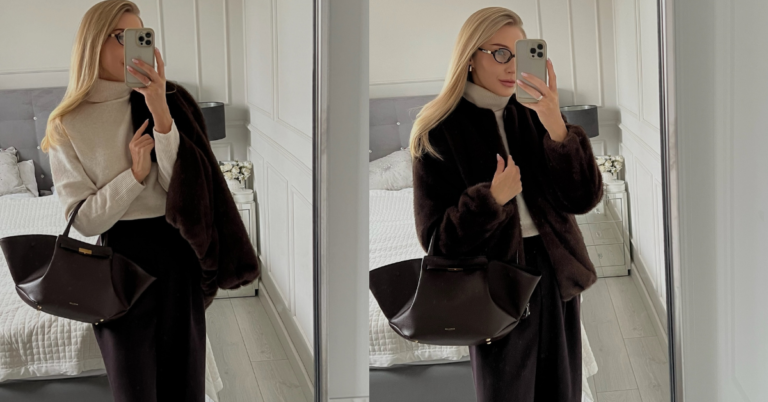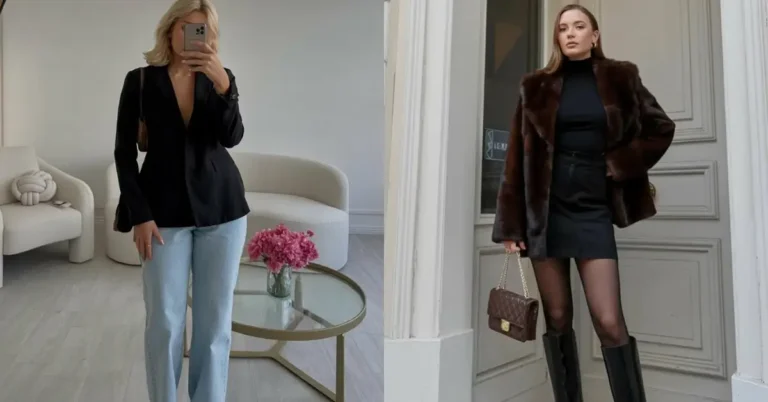

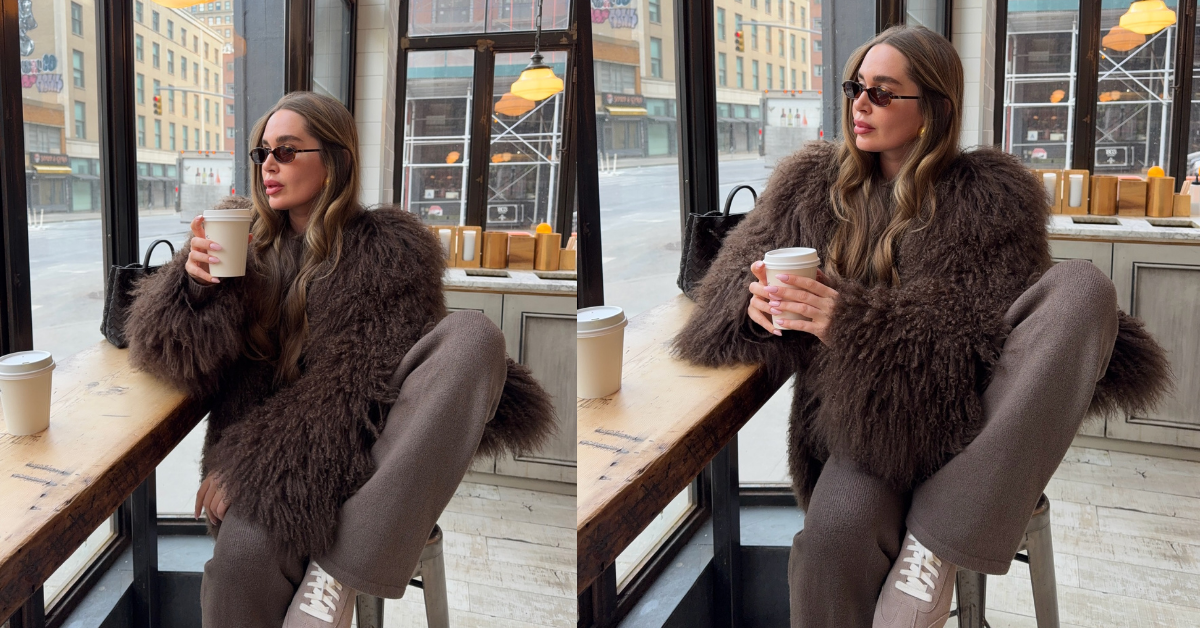
Holiday season is basically a month-long outfit puzzle: one night it’s a conference-room potluck, the next it’s a cocktail party at a rooftop bar, then suddenly you’re staring at an invite that says “Black Tie Optional” like it’s a trick question.
The easiest way to get this right is to stop thinking in categories like “party dress” or “nice outfit” and start thinking in three signals:
- Context (work vs social, who will be there, how photos will be used)
- Dress code (what the invite says, and what the venue implies)
- Finish level (fabric, shoes, accessories, grooming)
When you match those three, you look like you belong. When you miss one, you can feel overdressed, underdressed, or weirdly “off” even if the outfit is objectively nice.
Based on etiquette guidance and current seasonal style coverage, here’s how to build outfits that work across everything from office parties to formal dinners.
Quick answer for skimmers
- For office parties, professionalism is the base layer. Add holiday in one place: fabric (velvet), color (deep green), or accessory (sparkle), not all at once.
- “Festive” usually means cocktail, plus seasonal flair. Treat it like cocktail attire first, then add holiday touches.
- If the invite says cocktail: think dressy but not floor-length, and finish matters (shoes, bag, jewelry).
- If it says semi-formal: it’s a notch down from cocktail in glam, but still polished. A suit or dressy jumpsuit works well.
- If it says black tie optional: it usually wants you to lean formal, especially at night. Tuxedo or dark suit for men, gown or very dressy long dress for women, and sleek elevated pieces for everyone.
- Venue beats vibes. A nice restaurant dinner is different from a hotel ballroom dinner even if both feel “fancy.”
- One-and-done cheat code: a tailored black outfit (dress, suit, or jumpsuit) + one festive element (metallic shoe, velvet blazer, statement earring).
- If you expect lots of photos: avoid ultra-shiny fabrics that glare under flash and look for controlled shine or texture instead.
If you only do one thing: match your outfit to the most senior person attending (or the host). At work events, that single move prevents most “oops” outfits.
The decision framework
Step 1: Figure out what kind of event you’re actually attending
Use the invite + venue + guest list:
- Office party (in-office or casual venue): you’re still in “work you.”
- Office party (offsite, evening, nice venue): closer to cocktail, but keep it HR-safe.
- Social holiday party (friends, family, open bar): you can go bolder.
- Formal dinner (client, fundraiser, awards): etiquette and polish matter more than trends.
Step 2: Decode the dress code words
A quick translation that matches mainstream etiquette guides:
- Business casual / smart casual: polished separates, no party sparkle needed.
- Business festive: professional foundation with subtle seasonal elements.
- Festive attire: basically cocktail attire with holiday flair.
- Cocktail: elevated, party-appropriate, usually knee to midi for dresses; suits or dressy separates for others.
- Semi-formal: between business and cocktail, polished but less glam.
- Black tie optional: tuxedo encouraged, formal suit acceptable; gowns and very dressy looks.
Step 3: Set your “finish level”
This is the part people underestimate. You can wear a simple outfit and still look right if the finish matches the room.
Finish level = fabric + shoes + bag + jewelry + grooming.
I usually tell people to stop chasing ten different holiday outfits. Pick one great base outfit you can repeat, then swap the finish level for each event.
Common holiday outfit mistakes and how to fix them
Mistake 1: Wearing “party” at a work party
Sequins, plunging necklines, very short hemlines, sheer pieces, or club shoes can read wrong around colleagues, especially leadership.
Fix: keep the silhouette work-appropriate, add festivity through a blazer, earrings, or a rich fabric.
This won’t work if your workplace is conservative or client-facing and the event is still connected to work. In that case, even a perfect cocktail dress can be the wrong call. You’re better off slightly boring than slightly risky.
Mistake 2: Misreading “festive” as “anything sparkly”
Etiquette sources describe festive as cocktail with seasonal flair, not a costume.
Fix: choose one festive element: velvet blazer, metallic shoe, satin skirt, statement earring, or deep holiday color.
Mistake 3: Getting the level right but the venue wrong
A midi dress is “cocktail,” but it can still feel off in a dive-bar venue or underdressed in a grand dining room.
Fix: let the venue set your shoes and outerwear. A great coat and shoes can pull an outfit up fast.
Mistake 4: Ignoring the photo factor
Holiday parties are photo-heavy. Some fabrics look gorgeous in person and chaotic under flash.
Fix: choose controlled shine (metallic accents, not mirror satin) and avoid anything you know will wrinkle immediately.
Mistake 5: Buying something you can’t sit, eat, or move in
Holiday events involve sitting, standing, hugging, and eating.
Fix: do a 60-second test: sit, reach, walk, and take a quick phone photo.
What to wear by event type
1) Office parties
Office parties range from “pizza in the break room” to “open bar at a venue.” Start with the basics in a practical career guide: the outfit still needs to be presentable and aligned with your workplace norms.
In-office, daytime, or casual venue
Your goal: polished, comfortable, and not distracting.
- Women: knit dress + tights + ankle boots; trousers + a silky blouse; midi skirt + sweater.
- Men: dark jeans or chinos (if allowed) + a button-down; sweater over a collared shirt; blazer if the office is dressier.
- All genders: clean shoes, simple accessories, one seasonal touch.
Easy upgrade: a velvet blazer, satin top, or a red lip. Keep everything else classic.
Offsite office party with “festive” or “business festive”
Business festive is often described as professional attire with a seasonal spin.
Outfit formulas:
- Tailored trousers + sparkly top + blazer + pointed flats or low heels
- Little black dress + tights + heeled boot + statement earrings
- Dark suit + crisp shirt + subtle texture (velvet tie, satin pocket square)
HR-safe sparkle rule: sparkle lives either above the waist (top, earrings) or below the waist (shoe, clutch), not both.
Optional. Skip it if you already have a “work event uniform” that always gets compliments. Repeat it. Nobody is tracking your outfit like you think.
2) Cocktail holiday parties
Cocktail is where people get stuck because it overlaps with a lot of looks. Sources that break down cocktail vs semi-formal tend to emphasize cocktail as a bit more festive and glam, while semi-formal is more adaptable.
Cocktail outfits that almost always work:
- Women: midi dress (crepe, velvet, structured knit), dressy jumpsuit, satin skirt + knit top + heels
- Men: dark suit, dress shirt, tie optional depending on the crowd; polished leather shoes
- All genders: a clear “evening shoe” and a small dressy bag or sleek accessories
Holiday color palette that reads festive without costume:
- jewel tones (emerald, burgundy, sapphire)
- black with one metallic element
- winter white with dark accessories
If you want something current but not trend-chasing, holiday coverage still points to velvet and rich textures as a seasonal staple.
3) Semi-formal events
Semi-formal is the bridge between business and cocktail. The guidance is basically: polished, but not full glamour.
Go-to formulas:
- Women: knee-length to midi dress, tailored jumpsuit, dressy separates
- Men: suit or blazer + tailored trousers, dress shirt, polished shoes
- All genders: keep fabric more matte than shiny, keep accessories simpler than cocktail
One useful mental trick: semi-formal should look “effortful,” not “sparkly.”
4) Formal dinners and black tie optional
This is where finishing details matter most, and where people second-guess “optional.”
Both etiquette and mainstream fashion coverage describe black tie optional as: tuxedo preferred, dark suit acceptable; for women, evening gown or a very dressy long dress (and elevated alternatives like a dressy jumpsuit).
And yes, it’s confusing.
Black tie optional
- Men: tuxedo if you have it; if not, a dark suit with a white shirt and conservative tie is the safe lane.
- Women: long dress, evening gown, or a formal jumpsuit with elevated accessories.
- All genders: formal outerwear matters if it’s cold. A great coat is part of the look.
Formal dinner without an explicit code
Let the venue and host type decide:
- Client dinner at a top restaurant: lean polished, understated, expensive-looking basics.
- Fundraiser dinner: lean more formal.
- Family “formal dinner”: this can mean anything. If you’re unsure, pick a classic outfit and elevate with one festive element.
A trade-off with no perfect solution: the more formal you go, the less comfortable you might be for a long seated dinner. Sometimes you choose the outfit that looks right and accept you’ll want to change the second you get home. That’s just real life.
The holiday “capsule” that covers almost everything
If you want fewer decisions, build around one of these bases and adjust the finish level.
Base A: The elevated black outfit
- Black dress or black jumpsuit or black suit
- Add: velvet blazer, metallic shoe, statement earring, or red lip
Base B: The festive separates set
- Tailored trousers
- One dressy top (satin, subtle shimmer, lace with lining)
- One structured blazer or jacket
Base C: The texture-first option
- Velvet, jacquard, structured knit, or matte satin
- Keep everything else simple
Holiday articles have also highlighted “sequin-free” alternatives like velvet, tartan, and statement sleeves, often framing it as both style and wearability.
A quick note on sparkle and sustainability
Sequins can shed and contribute to microplastic pollution, which is why some coverage has pushed “sequin-free” party looks.
If you love sparkle, one practical middle ground is using shimmer in accessories (earrings, bag, shoes) instead of a full sequin garment. It’s not perfect, but it reduces the “wear once” problem.
FAQ
What does “festive attire” actually mean?
Etiquette sources describe festive attire as cocktail attire with a holiday touch. Think cocktail first, then add seasonal color or texture.
What should I wear to a holiday work party if the dress code is unclear?
Start with a professional baseline and add one festive element. Work-oriented guidance emphasizes aligning with the environment and venue.
Is it okay to wear jeans to an office holiday party?
Sometimes, if your office is casual and the party is casual. Some career guidance lists jeans as appropriate for casual holiday work parties, but this is workplace-dependent.
How do I handle “black tie optional” without overthinking?
Assume the host wants formal. If you have a tuxedo or gown option, wear it. If not, a dark suit or a long formal dress with elevated accessories is typically acceptable.
Can I wear a jumpsuit instead of a dress?
Yes. Semi-formal and formal guidance commonly includes dressy jumpsuits as acceptable when styled with elevated shoes and accessories.
What’s the safest shoe choice across holiday events?
A sleek ankle boot, a pointed flat, or a simple pump in a neutral. For formal, go dressier and more minimal.
How do I keep an office party outfit from looking boring?
Change just one thing: velvet blazer, metallic shoe, statement earrings, or a richer color. Business festive guidance supports subtle seasonal elements without abandoning professional standards.
What’s one etiquette thing people forget at work events?
Treat it like a professional setting, including photos. Etiquette tips for work events often mention being mindful about behavior and optics, including photos and social media.
Just a little note - some of the links on here may be affiliate links, which means I might earn a small commission if you decide to shop through them (at no extra cost to you!). I only post content which I'm truly enthusiastic about and would suggest to others.
And as you know, I seriously love seeing your takes on the looks and ideas on here - that means the world to me! If you recreate something, please share it here in the comments or feel free to send me a pic. I'm always excited to meet y'all! ✨🤍
Xoxo Sophie