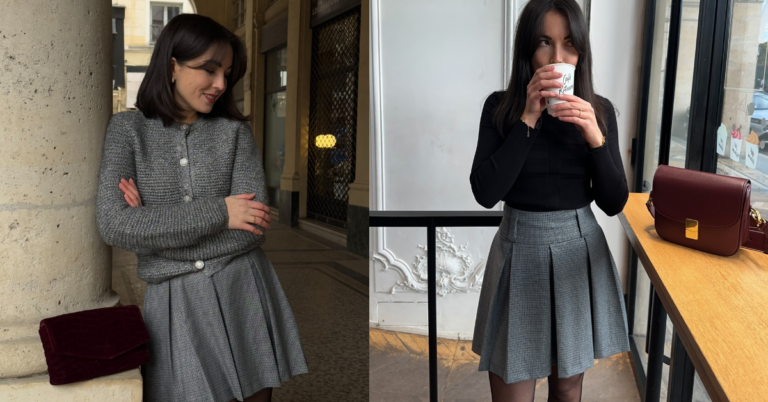

You know exactly what kind of morning I am talking about, right? It was literally just last Tuesday for me. I woke up a little bit late. I had this vision in my head of looking super chic and doing that whole layered, complex street style thing. I tried putting a crisp button-down shirt under a vintage sweater vest. Then I tried to pair it with these baggy, pleated trousers. I was tucking and untucking. I was adding belts. I was taking off belts.
By the time I finally looked in the full-length mirror, my bedroom floor was a complete disaster zone. I looked like I was wearing a confused school uniform that didn’t even fit me. I was sweating, I was so frustrated, and I completely missed my morning train. I just sat on the edge of my bed wanting to cry over clothes. It is so silly, but we have all been there.
It was in that chaotic, messy moment that I remembered my holy grail fashion secret. I call it the One-Piece Rule.
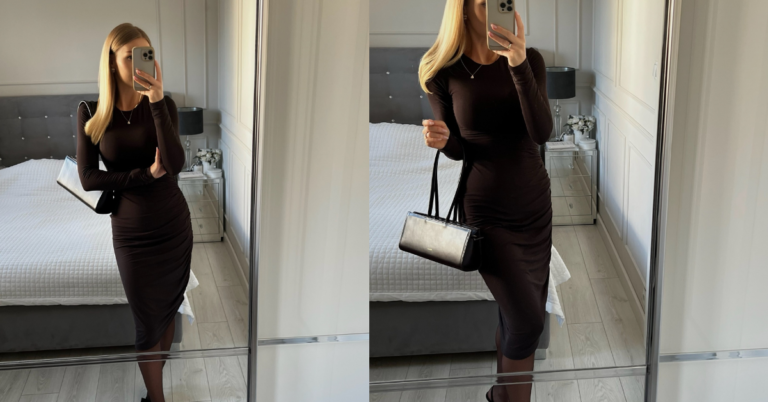
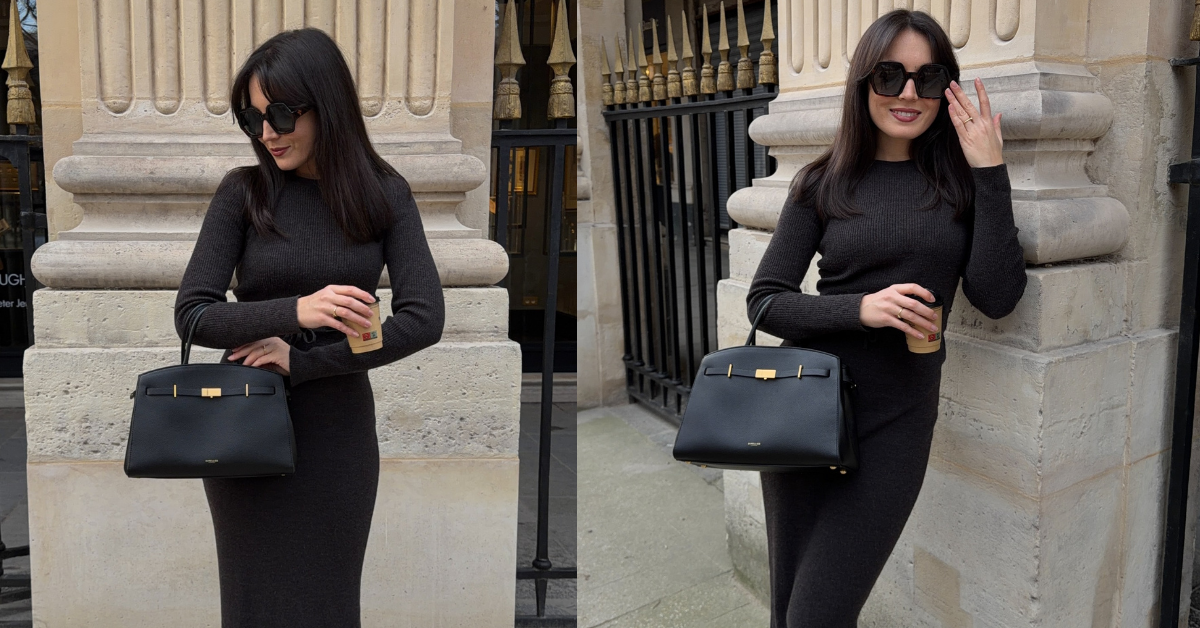
I literally ripped off all those complicated layers. I walked into my closet, grabbed a simple, heavy-knit black midi dress, threw it over my head, put on some boots, and ran out the door. And you know what is crazy? I got three compliments on my outfit that day at the office. Three! For an outfit that took me exactly four seconds to put on.
As much as I absolutely love styling complicated outfits and mixing weird textures, sometimes you just need to surrender. Sometimes, separating your tops from your bottoms is just too much work. Today, I am going to break down exactly when the One-Piece Rule applies, why a dress is often better than a styled outfit, and how you can use this trick to save your sanity. Let’s get right into the good stuff!
1. The Cure for Morning “Decision Fatigue”
Let’s be totally honest with each other. Life is stressful enough. We have to make a million decisions every single day about our jobs, our relationships, and what we are going to eat for dinner. We do not need to be playing Sudoku with our clothes at 7:00 AM.
When you are trying to put together an outfit with separates, there are so many variables. Does this top go with these pants? Is the proportion right? Does this jacket ruin the waistline? It requires actual brain power. The One-Piece Rule completely eliminates all of that math. A dress is an entire, complete thought on a single hanger.
I reserve my dresses for the days when my brain is just foggy. When I have a huge to-do list and I can’t afford to spend twenty minutes staring blankly into my wardrobe. You just zip it up and the outfit is already 90 percent done. It is the ultimate life hack for busy women.
How to build your “No-Brainer” wardrobe:
- Invest in heavy knits: A thick knit dress falls beautifully on the body and doesn’t wrinkle. You don’t even have to iron it.
- Keep the colors solid: Patterns can sometimes be hard to match with shoes and bags. A solid navy, black, or deep burgundy dress is a blank canvas.
- Have a “uniform” dress: Find one silhouette that makes you feel amazing – maybe it’s a wrap dress or a slip dress – and buy it in three different neutral colors.
2. The “Imposter Syndrome” Armor for Big Events
Okay, I want to share a quick story with you. A few months ago, I had to go to this massive networking event downtown. I was so nervous. I am 25, and I was going to be in a room full of people who seemed way more established than me. My imposter syndrome was hitting so hard.
Originally, I planned to wear this cool silk skirt and a tailored blouse. But when I put it on, I felt fidgety. The blouse kept coming untucked in the back. The skirt was twisting around my waist when I walked. I knew that if I wore that, I would spend the entire night pulling at my clothes instead of actually talking to people and making connections.
I switched to a structured, tailored sheath dress. It fit perfectly. Nothing needed to be tucked in. Nothing could come undone. It felt like a suit of armor. Because I didn’t have to worry about my outfit falling apart, my posture was better, and I actually spoke up in conversations.
When you have a high-stakes situation – like a job interview, a big presentation, or a formal event – a dress is always the safer, more powerful choice. It gives you a clean, uninterrupted line from your shoulders to your knees. It looks incredibly intentional.
Why tailored dresses win in professional settings:
- Zero tucking anxiety: You never have to do that weird bathroom mirror check to make sure your shirt isn’t bunched up weirdly in the back of your pants.
- Instant authority: A dress with a slight shoulder pad or a strong collar commands a room instantly.
- It photographs better: As we have talked about before, a single, structured piece of fabric creates a much cleaner silhouette on camera than a bunch of layered separates.
3. Surviving the Summer Heat with Grace
We absolutely have to talk about summer. Because summer styling is honestly a nightmare for me. I love the idea of cute linen trousers and little crop tops, but the reality of walking outside when it is ninety degrees is a different story.
When it is incredibly hot outside, wearing waistbands is my personal idea of torture. Anything tight around my middle just makes me feel sick and claustrophobic. This is where the flowy summer dress is absolutely unmatched. You cannot replicate the breathability of a loose dress with pants. You just can’t.
Back home, when my family gets together for summer events, we are usually outside all day. The aunties are cooking, the kids are running around, and it is usually blazing hot. I always wear these massive, breezy cotton dresses. It is the only way to survive.
Plus, it makes styling my jewelry so much easier. In my culture, our jewelry is a huge part of our identity. My grandpa made this stunning, heavy silver and turquoise squash blossom necklace years ago. When I wear it over a simple, loose white cotton dress, the jewelry becomes the entire focal point. The dress just acts as a beautiful, breezy backdrop. It is practical, but it looks so incredibly thoughtful.
Your summer heat survival guide:
- Check the tags: Only buy dresses made of 100% cotton, linen, or silk. If it has polyester in it, it will trap the heat and you will be miserable.
- The “Tent” Dress: Embrace the oversized, voluminous dress. It lets the air circulate around your body. It is basically wearable air conditioning.
- Accessorize heavily: Because the dress is simple, use your accessories to add your personal flavor. Big earrings, a great hat, or layered necklaces.
4. The Ultimate Packing Hack for Traveling Light
Do you overpack when you travel? Because I am the absolute worst at it. I went on a four-day weekend trip last month. I packed four different tops, four different bottoms, two jackets, and a bunch of random accessories. I thought I was being a “packing genius” by creating a capsule wardrobe.
But when I actually got to my hotel and unpacked, I realized the green top looked terrible with the blue pants, and the jacket didn’t go with anything. I had a suitcase full of clothes and literally nothing to wear. I spent half my vacation stressed out about my outfits.
If I had just followed the One-Piece Rule and packed four dresses, my life would have been so much easier. Dresses take up almost zero room in a suitcase compared to stiff jeans and bulky sweaters. You just roll them up, and you have an entire outfit ready to go. You grab one piece of clothing out of your bag, and your whole day is sorted.
If you are trying to travel with only a carry-on bag this year, dresses are the only way to do it. You can pack a silk slip dress for dinners, a cotton midi for walking around the city, and a knit dress for the chilly plane ride, all in the space of one pair of denim jeans.
Packing rules to live by:
- Roll, don’t fold: Rolling your dresses prevents those hard crease lines and saves so much space in your luggage.
- The “Day-to-Night” piece: Pack a simple black slip dress. You can wear it with sneakers and a denim jacket during the day, and then swap to heels and red lipstick for dinner.
- Bring a steamer: Always pack a tiny travel steamer. It takes two minutes to steam a dress in your hotel room, and it makes you look like you have a personal stylist.
5. How to Keep the One-Piece from Feeling “Boring”
Okay, I know what some of you are thinking. “Anne, if I just wear a dress every day, isn’t my style going to get really boring?” And that is a totally valid fear! If you just throw on a plain dress and do nothing else, it can feel a little bit flat.
The secret to mastering the One-Piece Rule is that the dress is just the foundation. Because you saved so much time and mental energy by not having to match a top to a bottom, you can put all that energy into your styling. This is where your personality actually comes out.
I love taking a super basic, boring ribbed maxi dress and making it totally my own. I will add a really cool, chunky vintage belt to change the silhouette. I will wear it with some unexpected, bright red sneakers instead of sandals. I will throw a slightly oversized, distressed leather jacket over my shoulders.
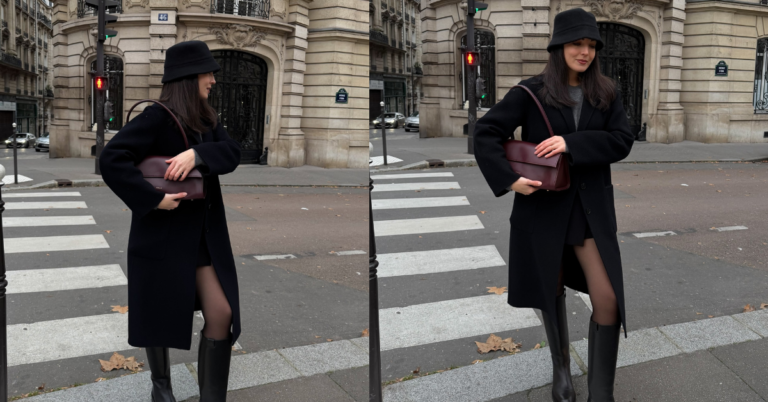
It is all about the “third piece” rule. Your dress is piece number one. Your shoes are piece number two. You always need a third piece to make it an “outfit.” That can be a hat, a great bag, a statement belt, or a really cool jacket. It shows that you didn’t just roll out of bed, but you actually curated a look.
Elevate your basics easily:
- The “Wrong Shoe” trick: Pair a very feminine, pretty dress with a chunky, masculine boot or a sporty dad sneaker. The contrast is super stylish.
- Layering under the dress: If it gets chilly, put a tight, thin turtleneck underneath a slip dress. It looks very 90s and super cool.
- Make your bag the star: When your outfit is just one solid color, let your handbag bring the drama. A bright pop of color or a fun texture changes everything.
Just a little note - some of the links on here may be affiliate links, which means I might earn a small commission if you decide to shop through them (at no extra cost to you!). I only post content which I'm truly enthusiastic about and would suggest to others.
And as you know, I seriously love seeing your takes on the looks and ideas on here - that means the world to me! If you recreate something, please share it here in the comments or feel free to send me a pic. I'm always excited to meet y'all! ✨🤍
Xoxo Sophie