
I was just looking at my calendar yesterday and realizing how many outdoor events I have coming up. Weddings, garden parties, graduation barbecues. It is a lot. And honestly, getting dressed for an outdoor event when the sky can’t make up its mind is one of the most stressful things ever. You want to look cute, but you also want to actually survive the day.
I have learned this the hard way so many times. I used to be that girl shivering in a corner because I refused to ruin my outfit with a jacket. But I am twenty-five now, and I refuse to be uncomfortable. Being stylish does not mean you have to suffer! So, I spent the last few weeks putting together a foolproof system for us.
This is my ultimate guide to mastering outdoor event style, even when the forecast is completely unpredictable. It is totally possible to look like a fashion icon and still be prepared for whatever mother nature throws at you. Let’s get right into it!
1. The “Invisible Base Layer” Secret
Okay, we have to start with the absolute foundation of your outfit. If the weather is looking sketchy, your secret weapon is what you wear underneath your dress. I am talking about invisible base layers.
A few years ago, I went to this beautiful outdoor evening wedding. I wore this stunning, paper-thin silk dress. It was gorgeous. But as soon as the sun went down, the wind picked up. I was shivering so violently that my teeth were actually chattering during the speeches. I ended up having to borrow a massive, ugly fleece jacket from a waiter just so I wouldn’t freeze. It completely ruined my look in all the photos.
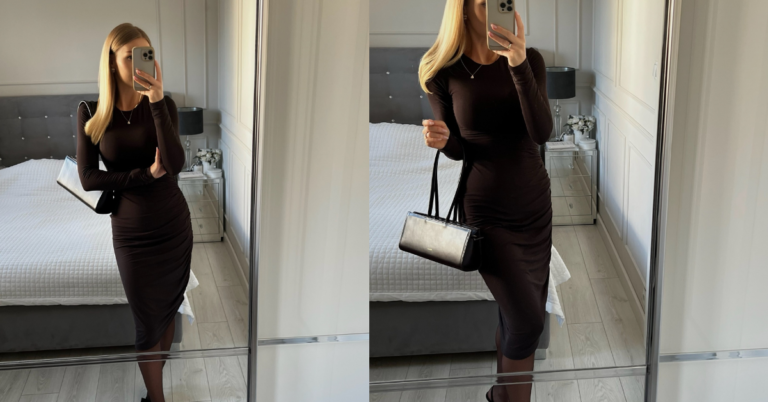
Now, I never go to an outdoor event without my secret layers. If it is going to be chilly, I wear a thermal bodysuit underneath my long dresses. It smooths everything out and keeps my core totally warm. If it is going to be windy, I always wear a pair of soft biker shorts under my skirts. There is nothing worse than fighting the wind to keep your dress down all day. The shorts give you so much peace of mind so you can actually enjoy your champagne instead of holding your hemline.
Your Base Layer Checklist:
- Thermal Bodysuits: Look for the ones with a deep V-neck so they don’t peek out of your dress.
- Seamless Biker Shorts: Perfect for windy days and they prevent any uncomfortable thigh chafing if it gets suddenly hot.
- The Slip: A good old-fashioned slip prevents static cling and adds a tiny bit of extra warmth.
2. Footwear That Won’t Sink Into the Earth
We seriously need to talk about shoes. If an invitation says the event is outdoors, or on grass, you have to leave the stilettos at home. Just leave them. I don’t care how perfectly they match your bag.
Me and my friends went to a winery tour last spring for a birthday. One of my friends wore these beautiful, needle-thin high heels. We had to walk across a huge lawn to get to our table. With every single step she took, her heels sank three inches into the mud. She was literally getting stuck. By the time we got to the table, her shoes were ruined and she was so frustrated she almost cried.
The smartest thing you can do for an outdoor event is pick a shoe with a solid foundation. Block heels, platform sandals, and elegant wedges are your best friends here. They distribute your weight so you float on top of the grass instead of aerating the lawn.
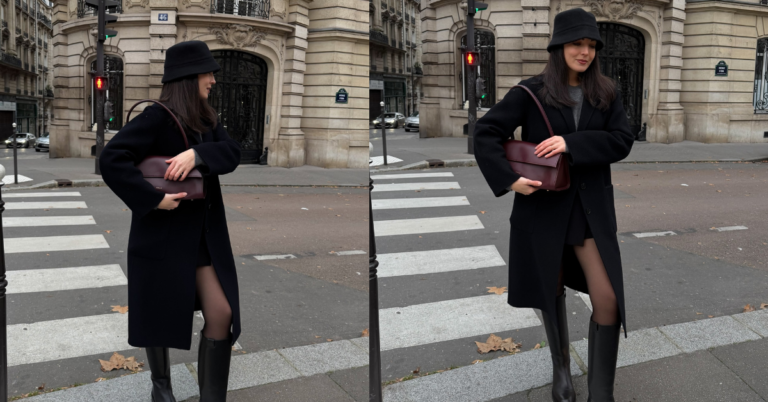
Lately, I have been really into styling cool, structured boots with my fancy dresses. It gives the outfit this really cool, slightly edgy vibe. Plus, if it randomly rains, my feet stay completely dry. I have this amazing pair of tall, flat leather boots with a subtle fringe detail that gives a little nod to my Native heritage. I wear them with flowy midi dresses and I always get so many compliments. It is practical but it looks so intentional.
3. Make the Outerwear the Main Event
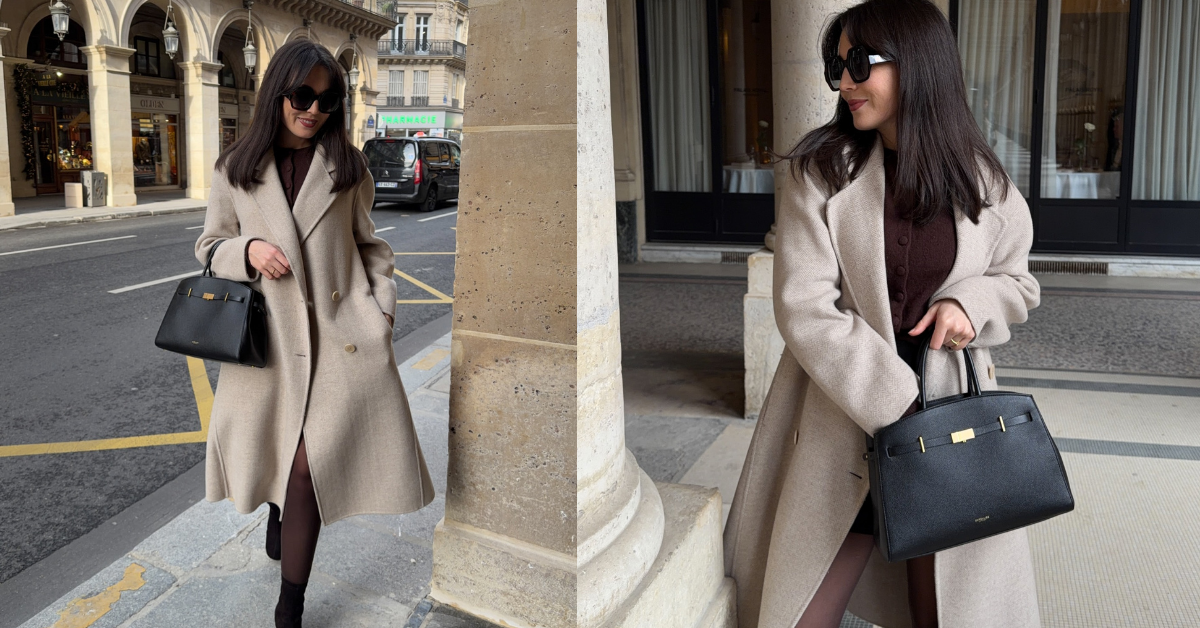
This is where most of us mess up. We spend hours picking out the perfect dress, and then we treat the jacket as an afterthought. We just grab whatever old cardigan is hanging by the door. But when the weather is bad, your jacket IS your outfit. It is all anyone is going to see.
Instead of fighting the cold, lean into it. Invest in a “third piece” that is just as fabulous as what is underneath it. If you know the evening will get chilly, plan your entire look around a gorgeous, oversized blazer or a sweeping trench coat.
I went to an outdoor dinner party recently and the forecast called for a total temperature drop. Instead of wearing a delicate dress, I wore a really cool, tailored suit with a silk camisole underneath. When the wind picked up, I was totally fine. I looked chic and appropriate, while half the other guests were wrapping themselves in the dinner napkins to stay warm.
How to nail the third piece:
- The Oversized Blazer: Buy one a size up so you can comfortably drape it over your shoulders. It looks so expensive.
- A Cashmere Wrap: This is a classic for a reason. You can fold it up in your bag, but when you wrap it around yourself, it looks incredibly elegant.
- The Leather Trench: If there is a chance of light rain, a faux leather or real leather trench coat repels water and looks amazing.
4. Fabric Choices: Avoiding the “Water Mark” Disaster
If there is even a ten percent chance of rain or extreme humidity, you have to be so careful with your fabric choices. Some materials handle moisture beautifully, and others will betray you the second a single drop of water hits them.
Light-colored silk and satin are the absolute worst offenders. If you get a drop of rain, or even just condensation from your cold drink on a light silk dress, it leaves a massive dark water mark that takes forever to dry. It looks messy and it will stress you out all day.
The best fabrics for unpredictable weather have a lot of texture or a busy print. Think heavy crepes, textured jacquard, or a dark, moody floral print. The pattern easily hides any random water spots or wrinkles.
I also love wearing plisse fabrics. You know, the material that has those tiny, permanent pleats baked into it? It is amazing for outdoor events because it is literally impossible to wrinkle. You can sit on damp grass, get caught in a breeze, and the dress will still look absolutely perfect.
5. Weatherproofing Your Hair and Makeup
Okay, we can have the perfect outfit, but if our hair is sticking straight up because of the humidity, the whole vibe is thrown off. Outdoor events are not the time for elaborate, stiff hairstyles. Mother nature always wins that fight.
I used to spend an hour trying to curl my hair perfectly for outdoor parties. And within twenty minutes of being outside, the wind would turn it into a frizzy bird’s nest. I would spend the whole event hiding in the bathroom trying to smooth it down.
Now, I work with the weather, not against it. If it is going to be humid or windy, I do a really sleek, tight low bun or a cool braided style. It completely takes the stress away. You don’t have to worry about the wind blowing hair into your lip gloss, which is honestly the most annoying feeling in the world.
This is also a great excuse to play with hair accessories. I have this beautiful set of beaded hair clips that my auntie made for me. When I pull my hair back, I use those clips to add a pop of color. It draws attention to my face and makes a simple hairstyle look like a major fashion statement.
For makeup, the secret is liquid and cream products. Powders can look really cakey in natural outdoor light, especially if it is humid. A good cream blush and a hydrating lip oil will make your skin look glowing and fresh, no matter what the weather is doing.
6. The “Attitude” Shift: Embracing the Chaos
This is probably the most important tip I can give you. When you are going to an outdoor event, you have to accept that things might get a little messy. And that is totally okay.
The most stylish women are the ones who look comfortable and confident, even if their hem is a little muddy or their hair is slightly windswept. If you are constantly tugging at your dress, checking the weather app every five minutes, or looking miserable because you are cold, it completely ruins the illusion of effortless style.
Some of the best memories I have are from events where the weather went completely wrong. We were at a friend’s outdoor engagement party last year and a massive rain cloud just opened up right over us. We all had to run under this tiny tent. It was chaotic, we all got a little damp, but we ended up laughing so hard and dancing anyway.
Your energy is your best accessory. If you show up prepared with your block heels, your warm base layers, and your chic oversized blazer, you can just relax and actually enjoy the party. And honestly, a slightly messy, windswept look is very high-fashion right now anyway.
Just a little note - some of the links on here may be affiliate links, which means I might earn a small commission if you decide to shop through them (at no extra cost to you!). I only post content which I'm truly enthusiastic about and would suggest to others.
And as you know, I seriously love seeing your takes on the looks and ideas on here - that means the world to me! If you recreate something, please share it here in the comments or feel free to send me a pic. I'm always excited to meet y'all! ✨🤍
Xoxo Sophie